
Don Quixote: A Commentary

“The most perceptive character in a play is the fool, because the man who wishes to seem simple cannot possibly be a simpleton.”
― Miguel de Cervantes Saavedra, Don Quixote.
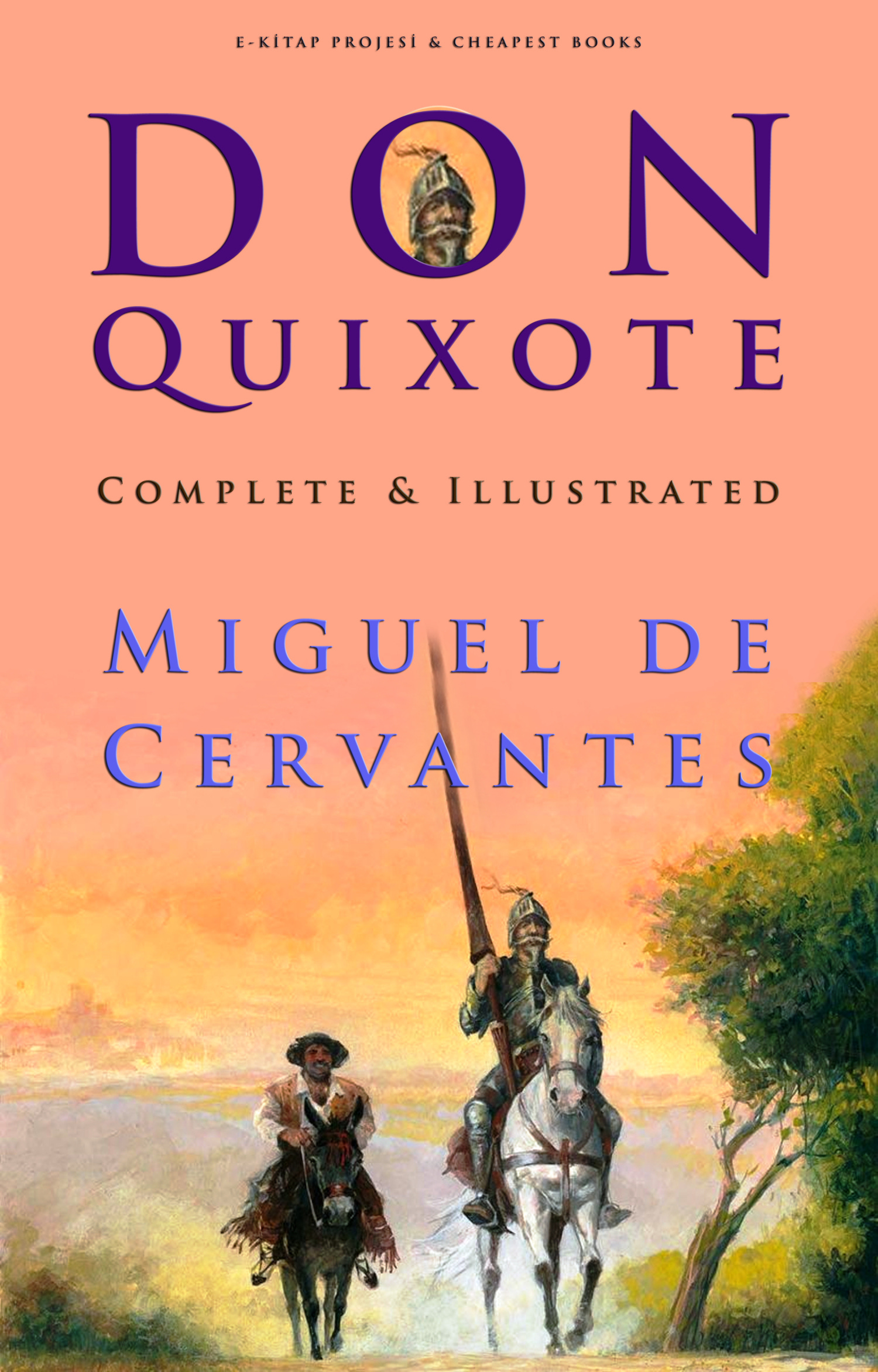
Miguel de Cervantes' Don Quixote, first published in two parts in 1605 and 1615, stands as one of the most influential and enduring works of Western literature. Widely regarded as the first modern novel, it blends satire, comedy, tragedy, and philosophical depth to create a complex and multifaceted narrative. The story follows the adventures of Don Quixote, an aging nobleman who, inspired by his love of chivalric romances, sets out as a self-styled knight-errant. Accompanied by his pragmatic squire, Sancho Panza, Don Quixote confronts the dissonance between his lofty ideals and the mundane realities of the world.
This commentary will explore the novel’s central themes, Cervantes’ innovative narrative techniques, and the philosophical questions it raises about reality, identity, and the nature of heroism.
At the heart of Don Quixote lies the tension between idealism and realism. Don Quixote, whose real name is Alonso Quixano, becomes consumed by tales of knightly valor and embarks on a quest to revive the chivalric ideals of a bygone age. Armed with an old suit of armor, a decrepit horse named Rocinante, and his unwavering belief in the nobility of his mission, he sets out to right wrongs and defend the helpless. His efforts, however, are often misguided and farcical. He mistakes windmills for giants, flocks of sheep for armies, and innkeepers for castle lords.
This clash between Quixote's imagination and the stark realities of his world serves as a rich source of comedy. However, it also provokes deeper reflection on the human condition. Is Quixote a fool, or is he a visionary? Does his pursuit of an unattainable ideal render him delusional, or does it elevate him above the pettiness of ordinary existence? These questions resonate throughout the novel, inviting readers to ponder the value of dreams and the limitations of reality.
Cervantes’ Don Quixote is often credited with revolutionizing narrative fiction. Its structure, blending episodic adventures with a cohesive overarching plot, reflects a departure from the linear storytelling of earlier works. The novel is also marked by its metafictional elements. In the second part, characters are aware of the first part of Don Quixote, which has been published and widely read within the fictional world of the story. This self-referentiality blurs the boundaries between fiction and reality, a theme central to the novel.
Cervantes employs a variety of narrative voices and perspectives, creating a layered and dynamic storytelling experience. The narrator often interjects with commentary, and the novel incorporates stories within stories, enriching its texture and complexity. This multiplicity of voices challenges the reader to engage critically with the narrative and underscores the novel’s exploration of subjectivity and interpretation.
Theme 1: Reality and Perception
One of the most profound themes in Don Quixote is the relationship between reality and perception. Don Quixote sees the world not as it is but as it ought to be, filtered through the lens of his chivalric ideals. His vision transforms the mundane into the extraordinary, imbuing his adventures with a sense of purpose and grandeur.
This theme is epitomized in the famous windmill episode, where Don Quixote charges at windmills, believing them to be giants. To the rational observer, his actions are absurd, but to Quixote, they are heroic. Cervantes uses such moments to question the nature of reality: is it defined by objective facts, or is it shaped by individual perception? Quixote’s reality, though at odds with the physical world, is no less real to him. This exploration of subjective reality anticipates later philosophical and literary movements, including existentialism and postmodernism.
Theme 2: The Duality of Don Quixote and Sancho Panza
The relationship between Don Quixote and Sancho Panza is central to the novel’s thematic richness. The two characters represent contrasting worldviews: Quixote embodies idealism and imagination, while Sancho represents pragmatism and common sense. Despite their differences, they form a symbiotic partnership, each influencing and complementing the other.
Sancho, initially skeptical of Quixote’s delusions, gradually becomes drawn into his world of imagination, adopting a quixotic perspective in his own way. Conversely, Quixote’s encounters with the harsh realities of the world often temper his idealism. This dynamic interplay illustrates the tension between dreams and practicality, highlighting the necessity of balancing the two in the pursuit of a meaningful life.
Theme 3: The Nature of Heroism
Through Don Quixote, Cervantes redefines the concept of heroism. In a world devoid of the grand narratives of medieval chivalry, Quixote’s attempts to revive those ideals are both tragic and inspiring. His deeds may often be misguided, but his unwavering commitment to justice and honor elevates him above the mediocrity of those around him.
Cervantes invites readers to consider whether heroism lies in success or in the pursuit of a noble cause, regardless of the outcome. Don Quixote’s actions, though often met with ridicule, demonstrate courage and conviction. His refusal to conform to societal expectations, even at the cost of his dignity, underscores the transformative power of individual agency and resilience.
Cervantes’ Don Quixote is deeply philosophical, grappling with questions of identity, freedom, and the human condition. The novel’s exploration of identity is particularly striking. Don Quixote constructs a new self, adopting the persona of a knight-errant and rejecting the mundane life of Alonso Quixano. This act of self-creation reflects existentialist themes of authenticity and self-determination.
The novel also examines the interplay between freedom and constraint. Don Quixote’s quest is an assertion of his freedom to shape his destiny, yet his actions are often constrained by the realities of his environment and the limitations of his physical and mental faculties. This tension underscores the challenges of living authentically in a world that resists change.
Don Quixote is as much a work of social critique as it is a comedy or philosophical exploration. Cervantes satirizes the chivalric romances popular in his time, exposing their absurdities and questioning their relevance in a changing world. By exaggerating the conventions of these romances, he highlights the dangers of escapism and the need for literature to reflect the complexities of real life.
The novel also critiques the social and political structures of Cervantes’ Spain. Through Quixote’s interactions with various characters, Cervantes exposes the hypocrisy, greed, and superficiality of the society he inhabits. This critique extends to the rigid class hierarchies and gender roles of the period, offering a nuanced and often subversive perspective on contemporary issues.
While often humorous, Don Quixote is also profoundly tragic. Don Quixote’s idealism, though admirable, isolates him from the world and ultimately leads to his downfall. His rejection of reality, though a source of inspiration, also renders him vulnerable to exploitation and ridicule. The novel’s conclusion, where Quixote renounces his knightly persona and returns to the identity of Alonso Quixano, is deeply poignant. It reflects the inevitable clash between dreams and reality and the cost of pursuing an unattainable ideal.
This tragic dimension lends the novel a sense of depth and gravitas, elevating it beyond mere satire. Cervantes’ ability to balance humor and pathos is one of the hallmarks of his genius, creating a narrative that is both entertaining and profoundly moving.
Don Quixote has had an unparalleled impact on literature and culture. Its influence can be seen in the works of countless writers, from Fyodor Dostoevsky to Jorge Luis Borges, and its themes continue to resonate in contemporary discussions of identity, freedom, and the role of art in society. The novel’s enduring appeal lies in its ability to capture the complexity of the human experience, blending comedy, tragedy, and philosophy in a way that speaks to readers across time and place.
Cervantes’ masterpiece challenges us to reflect on our own ideals and aspirations. Like Don Quixote, we are all engaged in the struggle to reconcile our dreams with the realities of the world. The novel reminds us that, while the pursuit of an ideal may be fraught with challenges and contradictions, it is also what gives life its meaning and beauty.
Don Quixote is a celebration of the human spirit in all its complexity. Through the figure of Don Quixote, Cervantes explores the tension between dreams and reality, idealism and pragmatism, freedom and constraint. The novel’s humor, pathos, and philosophical depth make it a timeless work that continues to inspire and challenge readers.
Cervantes’ vision of a world where imagination and reality collide invites us to consider the value of our own dreams and the courage it takes to pursue them. In a society increasingly driven by pragmatism and efficiency, Don Quixote serves as a powerful reminder of the importance of idealism and the transformative power of the human imagination. Like Don Quixote, we may tilt at windmills, but in doing so, we affirm our capacity to dream, to hope, and to strive for a better world.